

Sohrai Painting: Stories Written on Jharkhand’s Walls
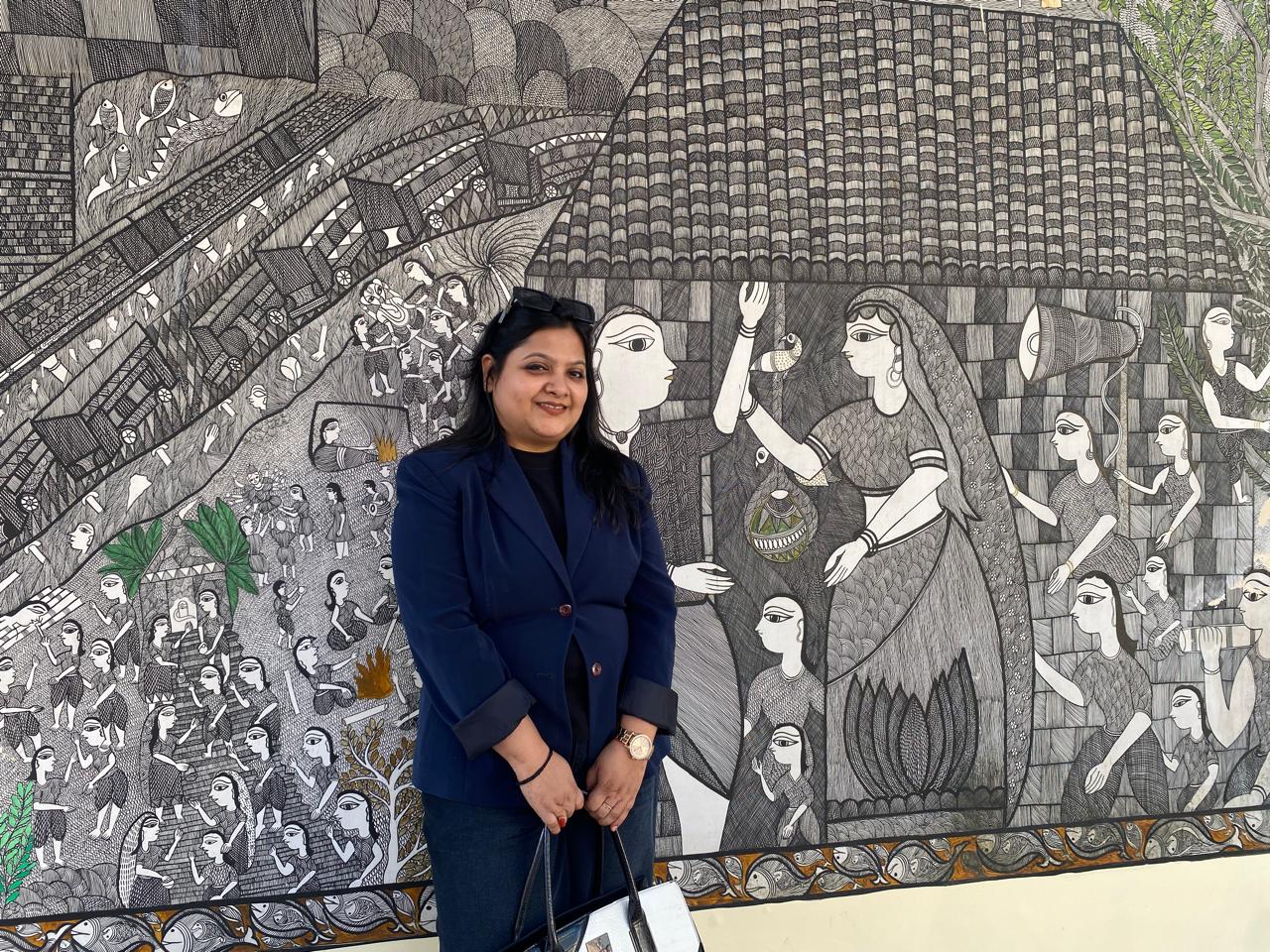

In the tribal heartland of Jharkhand, stories are painted on walls using earth, stone, and charcoal. Known as Sohrai painting, this traditional art form is closely linked to the harvest festival of Sohrai, when homes are renewed and cattle worshipped.
Painted on freshly plastered mud walls, the motifs like animals, forests, flowing lines, and geometric patterns—symbolise fertility, prosperity, and harmony with nature. Natural colours are derived from soil, coal, flowers, and rice paste.
“Sohrai is part of our festival life. We paint to thank nature and our animals,” says Neetu Yadav, Sohrai artist from Hazaribagh, where the tradition is most prominent.
The art form is passed down orally from mothers to daughters. “We learn by watching our elders paint during festivals. Every design has a meaning connected to our lives,” says another local artist.
Today, Sohrai paintings have moved beyond village walls to exhibitions and galleries, offering recognition and livelihood to tribal artists. Despite this transition, practitioners stress that the art must remain rooted in its cultural context.
“Sohrai comes from the soil. If we forget that, we lose its soul,” remarks Neetu Yadav.

As the festival season approaches, Sohrai painting continues to tell stories of land, community, and continuity—quietly, yet powerfully.
Komal Tamakuwala is a fashion designer, by collaborating with artisans and promoting indigenous art forms, she strives to keep India’s heritage alive.


Comments